





Teeth Whitening
Teeth Whitening in Turkey: Professional Laser & LED Whitening in Antalya
A brighter, more even-looking smile — planned around your teeth, not a one-size-fits-all promise. Dentist-supervised whitening, honest expectations and clear aftercare.
Looking for professional teeth whitening in Turkey? At The Pearl Clinic Antalya, we help patients improve the appearance of stained or discoloured natural teeth with dentist-supervised whitening. Whether your teeth have darkened over time, picked up stains from coffee or tea, or simply lost some of their natural brightness, it all starts with an assessment of your teeth and gums — followed by honest advice on the whitening options, results and aftercare that suit you.
Table of Contents
- 1. What Is Professional Teeth Whitening?
- 2. What Can Teeth Whitening Improve?
- 3. Laser vs LED vs Home Whitening: Which Is Right for You?
- 4. The Teeth Whitening Procedure, Step by Step
- 5. How Long Does It Take & What Results to Expect
- 6. Is Teeth Whitening Safe?
- 7. Who Is Suitable for Teeth Whitening?
- 8. Can You Whiten Crowns, Veneers or Implants?
- 9. Teeth Whitening vs Professional Dental Cleaning
- 10. How to Maintain Your Whitening Results
- 11. Teeth Whitening Cost in Turkey
- 12. Patient Trust & Health Tourism Insurance
- 13. Combine Whitening with an Antalya Holiday
- 14. UK Dental Consultation Meet-Up Events
- 15. Frequently Asked Questions (FAQ)
Thinking About Teeth Whitening?
Send us a smile photo on WhatsApp and our patient coordinators will explain your whitening options and the next steps.
1. What Is Professional Teeth Whitening?
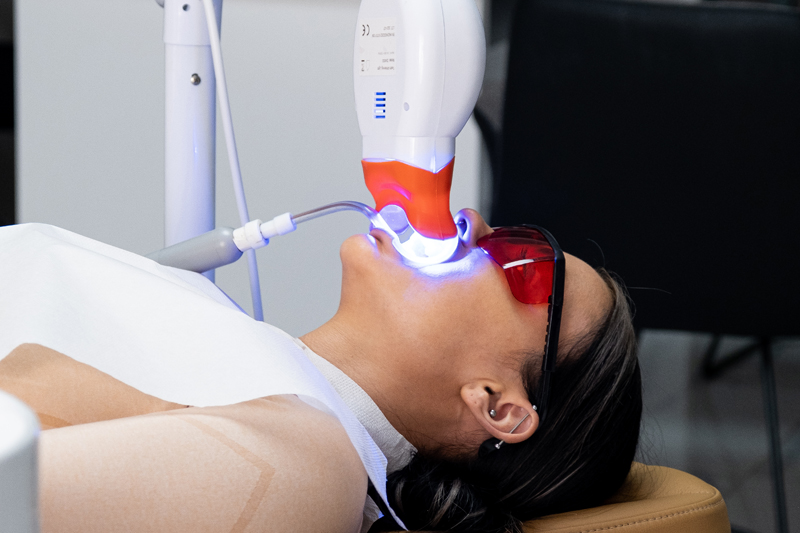
Professional teeth whitening, also known as dental bleaching, is a cosmetic dental procedure that uses whitening agents to lighten the colour of natural teeth. These products usually contain hydrogen peroxide or carbamide peroxide, which help break down the coloured compounds responsible for discolouration.
Unlike ordinary whitening toothpastes, which mainly remove surface stains, peroxide-based whitening can change the colour of the natural tooth structure itself. How much lighter your teeth become depends on your original shade, the type of staining, the whitening product and the treatment protocol.
Why an Assessment Comes First
Professional whitening is only carried out after your oral health has been checked. This helps identify problems that should be treated before any cosmetic work — such as untreated decay, inflamed gums, cracks or significant sensitivity. At The Pearl Clinic Antalya, the whitening approach is chosen according to your dental condition and aesthetic expectations.
2. What Can Teeth Whitening Improve?
Professional whitening may help improve the appearance of natural teeth affected by:
- Coffee and tea stains: regular strongly coloured drinks can contribute to discolouration.
- Smoking-related stains: tobacco can cause yellow or brown staining on tooth surfaces.
- Age-related discolouration: teeth can gradually darken as enamel changes and the underlying dentine becomes more visible.
- Food and drink stains: certain foods and drinks change tooth colour over time.
- Some intrinsic discolouration: selected stains within the tooth may respond to bleaching, depending on the cause and severity.
3. Laser vs LED vs Home Whitening: Which Is Right for You?
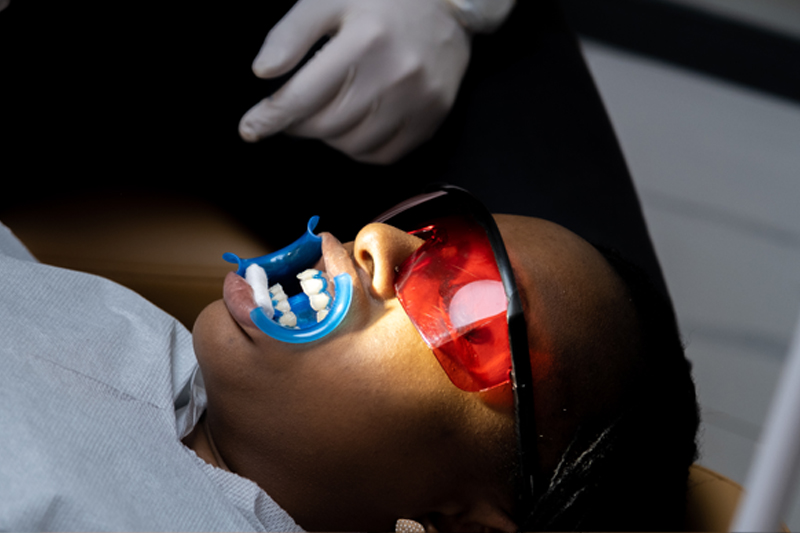
"Laser teeth whitening" and "LED teeth whitening" are two of the most searched terms by patients looking for cosmetic dentistry in Turkey. Here's what they actually mean — and what really drives the result.
Laser Teeth Whitening
Laser whitening usually refers to an in-office procedure in which a peroxide-based gel is applied to the teeth and a laser is used according to the specific treatment system. The whitening gel does the bleaching; light activation is included in some protocols, but research does not show that a laser consistently produces a better final result than professional bleaching without light.
LED Teeth Whitening
LED whitening uses an LED lamp alongside a whitening gel when the chosen protocol calls for light activation. LED devices differ in wavelength, power and intended use, and their effect depends on the gel and how the system is applied. A brighter result is not guaranteed simply because an LED lamp is used.
Dentist-Supervised Home Whitening
With home whitening, a whitening product is used in custom-made trays over a prescribed period. It takes longer than in-office treatment but can be a gentle option for suitable patients — and is sometimes combined with an in-office session.
| Option | How It Works | Best Suited For |
|---|---|---|
| In-office laser whitening | Peroxide gel applied in the clinic; laser used as directed by the system | Patients wanting a visible change within a single clinical appointment |
| In-office LED whitening | Peroxide gel applied in the clinic; LED light used if the protocol requires it | Patients wanting a supervised, structured appointment-based treatment |
| Home whitening (custom trays) | Prescribed product worn in custom trays over days or weeks | Patients who prefer gradual whitening or need to manage sensitivity |
4. The Teeth Whitening Procedure, Step by Step
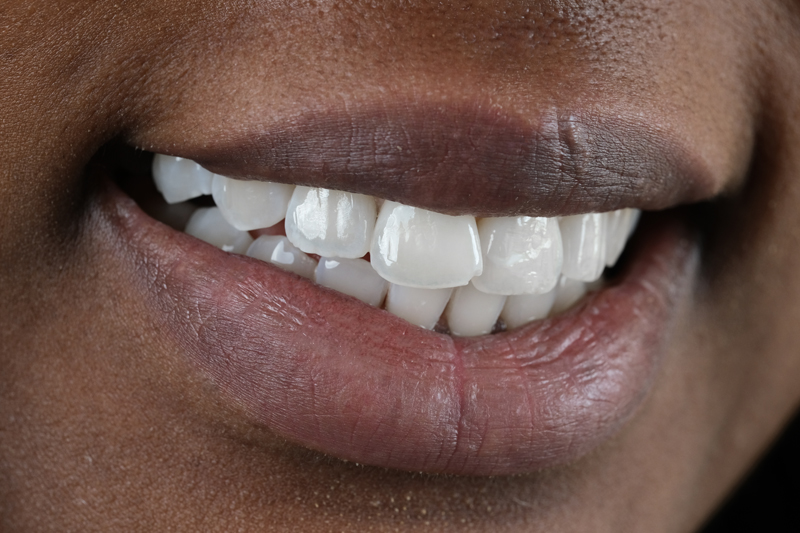
Professional whitening begins with an assessment — not with the gel. This makes sure the treatment suits your oral health and cosmetic goals.
Step 1: Dental Examination and Consultation
The dentist examines your teeth and gums, reviews your dental history and discusses your expectations. Existing restorations, sensitivity, gum inflammation and visible tooth damage are all considered. If there are signs of decay, active gum disease or another problem that could affect safety, these may need to be treated first.
Step 2: Assessment of Tooth Colour
Your starting shade and the type of discolouration help predict how your teeth will respond. Surface stains, age-related yellowing and some internal stains respond differently, so the dentist explains a realistic outcome and any limitations before treatment.
Step 3: Preparation and Gum Protection
The treatment area is prepared and your gums and soft tissues are protected from the gel. Careful isolation matters because whitening agents can irritate the gums on direct contact.
Step 4: Application of the Whitening Gel
A suitable peroxide-based gel is applied to the natural tooth surfaces according to the system's instructions. If the protocol includes LED or laser activation, the equipment is used as directed. The number of cycles and their duration depend on the product and your clinical assessment.
Step 5: Evaluation and Aftercare Advice
The dentist evaluates the result and gives you guidance on sensitivity, oral hygiene and keeping your new shade. Colour can continue to settle for a short time as the teeth rehydrate, so the shade straight after treatment isn't always the final long-term result.
5. How Long Does It Take & What Results to Expect
Treatment Time
Some in-office whitening procedures take approximately 45–75 minutes, while other systems need a longer appointment. This is an indicative range rather than a guaranteed time; your dental team will confirm how long your proposed treatment should take, including examination, preparation and aftercare instructions. Home whitening with custom trays takes longer, because the product is used over a prescribed period.
Realistic Results
Professional whitening can make natural teeth look brighter and reduce the appearance of certain stains, but results vary from person to person. Some patients see a clear improvement after one appointment; others may need a different protocol or may not be suitable for whitening at all.
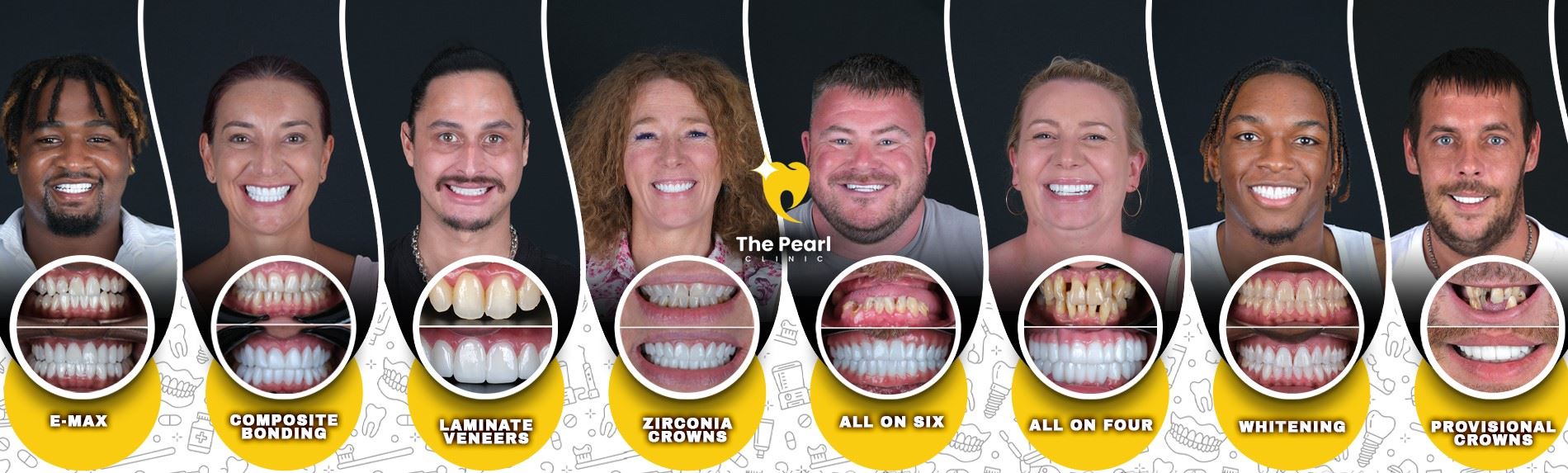
Teeth Whitening Before and After
Before-and-after photos can illustrate the kind of cosmetic change that's possible, but lighting, camera settings, tooth hydration and editing all affect how colour appears. Look for photos taken in comparable conditions — and remember that a consultation is the best way to understand the likely result for your starting shade.
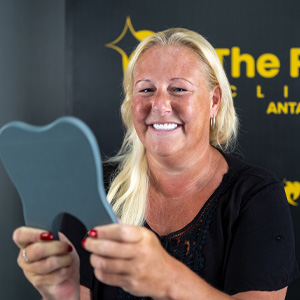
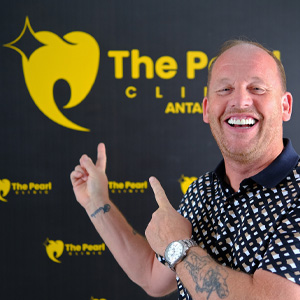
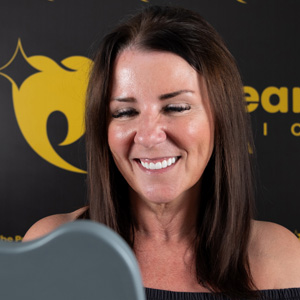
Explore Our Smile Gallery
View Full Gallery →See real cosmetic transformations from our patients at The Pearl Clinic Antalya — and ask our team which treatments could work for your smile.
How Long Does Teeth Whitening Last?
Whitening is not permanent. Results gradually fade as new stains build up and natural tooth colour changes over time. How long they last depends on diet, smoking, oral hygiene, your starting shade and your habits — so no specific duration can be guaranteed. Regular check-ups, good hygiene and limiting strongly staining food and drink all help, and any repeat whitening should only follow professional advice.
6. Is Teeth Whitening Safe?
Professional whitening can be an appropriate cosmetic treatment for suitable patients when a suitable product and correct clinical precautions are used. It isn't right for everyone, though, and it can cause temporary side effects — which is why an examination comes first.
Common Side Effects
- Temporary tooth sensitivity: teeth may react more to cold, heat or sweet foods and drinks.
- Gum irritation: contact with the gel can cause temporary irritation or discomfort.
- Short-lived soft-tissue changes: mild irritation where the product touched the gums.
These effects are usually temporary but vary in severity. Contact your dentist if symptoms are severe, persist or worry you.
Does Teeth Whitening Damage Enamel?
When a suitable product is used correctly, professional bleaching is intended to lighten tooth colour without removing enamel as a routine part of the procedure. Inappropriate products, overuse or poor application, however, increase the risk of irritation and other side effects.
7. Who Is Suitable for Teeth Whitening?
Professional whitening may suit adults with healthy teeth and gums who want to reduce discolouration on their natural teeth. You may be a good candidate if:
- Your teeth have become yellow or darker with age
- You have stains linked to coffee, tea or tobacco
- You'd like a brighter smile before an important occasion
- Your teeth and gums are healthy enough for bleaching
- You understand the likely benefits and limitations of treatment
Suitability is always decided individually — especially if you have a history of sensitivity, existing restorations or unexplained changes in tooth colour.
When Is Teeth Whitening Not Recommended?
Whitening may need to be postponed or avoided if you have:
- Untreated tooth decay
- Active gum disease or significant gum inflammation (see our gum disease treatment guide)
- Cracked teeth or exposed, sensitive root surfaces that need assessment
- A known sensitivity to an ingredient in the whitening product
- Certain severe or intrinsic discolouration unlikely to respond predictably
Whitening is generally not recommended for children, and elective whitening is commonly postponed during pregnancy and breastfeeding because safety evidence is limited.
8. Can You Whiten Crowns, Veneers or Dental Implants?
This is one of the most important questions to ask before whitening. Peroxide-based whitening changes the colour of natural teeth only — it does not lighten porcelain veneers, ceramic or zirconia crowns, composite fillings or implant-supported crowns in the same way. Whitening your natural teeth while existing restorations stay the same can make a colour difference more noticeable.
Whitening Before New Crowns or Veneers
If you're planning a smile makeover, discuss your desired final shade first. When whitening is suitable, it is often done before the colour of new restorations is chosen, so the dental team can match your crowns or veneers to your newly whitened natural teeth. The right sequence depends on your treatment plan and the materials involved.
Already Have Crowns or Veneers?
The surrounding natural teeth may still be whitened, but the restorations themselves won't get lighter. Your dentist will assess whether a visible mismatch is likely and discuss alternatives if an even colour is your main goal.
In-House Digital CAD/CAM Dental Lab
Precise Shade MatchingPlanning whitening together with crowns or veneers? Our in-house laboratory designs and shades your restorations to match your natural teeth after whitening.


9. Teeth Whitening vs Professional Dental Cleaning
Whitening and professional cleaning do different jobs — and neither replaces the other.
| Professional Cleaning | Teeth Whitening | |
|---|---|---|
| Purpose | Preventive — keeps gums and tooth surfaces healthy | Cosmetic — lightens the colour of natural teeth |
| What it removes or changes | Plaque, tartar and some surface stains | Discolouration within the tooth structure |
| Helps when | Teeth look yellow because of surface deposits | Colour comes from deeper discolouration |
| Order | Often recommended first | After oral health is checked and teeth are clean |
Cleaning before whitening also lets the dentist see your true underlying tooth colour more accurately.
10. How to Maintain Your Whitening Results
Maintain Good Oral Hygiene
Brush twice a day with fluoride toothpaste and clean between your teeth with floss or interdental brushes to reduce surface deposits.
Limit Frequent Staining
Coffee, tea, red wine and tobacco contribute to staining. You don't have to avoid every coloured food or drink, but cutting down on frequent exposure helps — and rinsing with water after strongly coloured drinks is a useful habit.
Follow Your Dentist's Instructions
Follow the advice for your whitening system and never repeat treatment more often than recommended. If your teeth feel sensitive, ask your dentist rather than reaching for more whitening products.
Attend Regular Check-Ups
Routine appointments help catch new stains, gum inflammation or other issues early, and your dentist can tell you whether any future whitening is appropriate.
11. Teeth Whitening Cost in Turkey
The cost of teeth whitening in Turkey depends on the whitening system, the clinical protocol, your dental condition and what's included in the treatment plan. Laser-assisted, LED and home whitening involve different products, equipment and appointments — so compare treatments by their actual scope, not price alone.
Before booking, it's worth asking:
- Which whitening system will be used?
- Is a dental examination included?
- What exactly does the proposed treatment involve?
- Are any other dental procedures needed first?
- What aftercare and sensitivity advice will I get?
- What result is realistic for my current shade?
Get a Personalised Whitening Quote
Share a recent smile photo and tell us about any crowns, veneers or sensitivity. We'll explain your options and send treatment-specific pricing.
12. Patient Trust & Health Tourism Insurance
Choosing a clinic for cosmetic treatment is about more than a whitening product. A proper oral health assessment, clear explanations and appropriate aftercare are part of every treatment at The Pearl Clinic Antalya — and our patients' feedback reflects that.
"Everything has been perfect and.."
"Everything has been perfect and faultless. Super accommodating staff. Would happily recommend."
"They are a great team,"
"They are a great team,. The services that they offer are at a very high standard. Overall I had a great experience."
🛡️ Health Tourism Complication & Assurance Insurance
Our international patients' treatment journey is protected by Health Tourism Complication and Assurance Insurance, provided in line with Turkish regulations. Within policy limits, it covers emergency health needs and potential complications after treatment. For dental treatments, the Standard Dental Plan provides 6 months of financial assurance against post-treatment complications and emergencies.
13. Combine Whitening with an Antalya Holiday
Brighten Your Smile on the Turkish Riviera
In-office whitening fits easily into a short stay, leaving plenty of time to enjoy Antalya's turquoise coastline, the historic old town of Kaleiçi and the Mediterranean sunshine. Our team coordinates your appointment around your trip and can help you arrange airport transfers and accommodation — just ask when you get in touch. Tip: ask your dentist how to protect your new shade while you're enjoying local coffee and Turkish tea!


14. UK Dental Consultation Meet-Up Events

Meet Our Dentists in the UK!
Before flying to Antalya, join our face-to-face consultation events in the UK. Discuss your tooth colour, existing restorations and whitening options with our dentists — and ask about event-exclusive packages.
Reserve Your UK Consultation15. Frequently Asked Questions (FAQ)
How much does teeth whitening cost in Turkey?
The cost depends on the whitening system, the treatment protocol and whether any additional dental care is needed. Contact The Pearl Clinic Antalya for information about the available options and a treatment-specific quotation.
Is professional teeth whitening in Turkey worth considering?
Professional whitening may be worth considering if you want to lighten natural teeth affected by staining or age-related discolouration. A dental assessment shows whether treatment is suitable for you and what results may be achievable.
How long does laser teeth whitening take?
Appointment times vary with the system and clinical protocol. Some in-office procedures take approximately 45–75 minutes, while others take longer. Your dentist can confirm the expected duration of your treatment.
Is LED teeth whitening better than laser whitening?
Neither method is automatically better for every patient. Results depend on the whitening product, the protocol and individual factors. Light activation does not consistently improve final whitening results compared with suitable professional bleaching without light.
Does teeth whitening hurt?
Most patients tolerate professional whitening well, but temporary sensitivity or gum irritation can occur. Tell your dentist about any existing sensitivity before treatment and report any discomfort during the procedure.
How many shades lighter can my teeth become?
The amount of whitening varies with your original tooth shade, the cause of discolouration and the product used. Your dentist can discuss realistic expectations, but an exact shade change cannot be guaranteed.
Will teeth whitening work on yellow teeth?
Many cases of yellow discolouration respond to peroxide-based whitening, particularly when the colour change is related to ageing or certain stains. Other causes may respond less predictably and need a different treatment approach.
Can I whiten my teeth if I have crowns or veneers?
Whitening can lighten suitable natural teeth but does not change the colour of existing crowns or veneers in the same way. Your dentist can assess the risk of a colour mismatch before recommending treatment.
How long will my teeth whitening results last?
Results fade gradually and vary with diet, tobacco use, oral hygiene and individual factors. Following your dentist's aftercare advice helps maintain the result, although permanent whitening cannot be guaranteed.
Can I have teeth whitening if I have sensitive teeth?
Possibly, but existing sensitivity should be assessed first. Your dentist may recommend treating the underlying cause before whitening or choosing a gentler alternative, such as dentist-supervised home whitening.
Should I have my teeth cleaned before whitening?
Professional cleaning may be recommended if plaque, tartar or surface stains are present. Cleaning and whitening have different purposes, and your dentist can advise on the right order.
Is teeth whitening safe for everyone?
No. Whitening may be unsuitable for people with untreated decay, active gum disease, certain forms of tooth damage or other relevant concerns. A dental examination is important before treatment.
Can I have teeth whitening during pregnancy?
Elective teeth whitening is generally postponed during pregnancy and breastfeeding because safety evidence is limited. Discuss any dental treatment concerns with your dentist.
What should I avoid after teeth whitening?
Follow the specific instructions your dentist gives you. Limiting tobacco and frequent staining drinks such as coffee, tea and red wine helps maintain the result. If your teeth feel sensitive, ask for advice before using any additional whitening products.
Is professional teeth whitening permanent?
No. Whitening results are not permanent because teeth can pick up new stains over time. How long they last depends on your oral hygiene, habits and individual needs.
Can I combine teeth whitening with a holiday in Antalya?
Yes, for many patients. In-office whitening is usually completed in a single appointment, so it fits easily into a short stay. Ask our team to schedule your appointment around your travel plans, and follow your dentist's advice on avoiding staining food and drink straight after treatment.
Ready to plan your Teeth Whitening?
Request a personalized treatment plan or contact our patient coordinators on WhatsApp.
Similar Treatments
Page Last Updated: 19.10.2026 — Corporate Communications (info@thepearlclinicantalya.com)
Looking for a reliable and satisfied treatment?
Contact Us & Learn More About Our Treatments